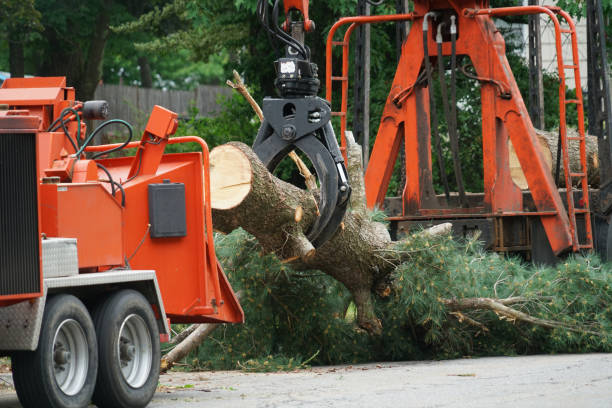
Trees add value and shade to a property, but not every tree is meant to stay forever. Knowing when a tree has become a safety risk — rather than just an eyesore — is one of the most common questions homeowners across the DFW Metroplex search for before deciding whether to call a professional. Here's what to look for, and what tree removal actually involves.
1. Leaning Significantly
A tree that has developed a noticeable lean, especially after a storm, may have compromised roots and could be at risk of falling.
2. Large Dead Branches or Deadwood
Dead limbs, especially large ones near the top or over structures, are a strong sign of decline and a falling hazard.
3. Visible Root Damage or Root Rot
Roots that are damaged, rotting, or lifting the surrounding soil and pavement often mean the tree is losing structural stability.
4. Cracks or Splits in the Trunk
Deep cracks or splits, particularly ones that run vertically, can signal the tree is at risk of breaking apart.
5. Fungus Growth at the Base
Mushrooms or fungal growth near the base of the trunk are a common indicator of internal decay, even when the tree still looks green and healthy up top.
6. Hollow Trunk or Cavities
A hollow-sounding trunk or visible cavities weaken the tree's structural integrity, even if the canopy still looks full.
7. Storm Damage
North Texas storms, high winds, and ice can all cause damage that isn't obvious at first glance but significantly weakens a tree over time.
Waiting too long to remove a hazardous tree can turn a straightforward removal into an emergency situation — especially with a DFW storm season that regularly brings high winds and severe weather. A tree that's already leaning or showing decay is far more dangerous to remove after it's fallen partially onto a structure or fence than while it's still standing.
Professional tree removal typically happens one of two ways:
A qualified tree removal team will assess the tree, its surroundings, and any nearby structures to determine the safest method before starting work.
Full tree removal isn't complete until the stump is handled. Stump grinding removes the visible stump and surface roots, leaving the area level and ready for grass, landscaping, or whatever comes next — without a stump left behind to trip over or mow around.
It might be tempting to handle a smaller tree removal yourself, but even mid-sized trees carry real risk — unpredictable falls, damage to structures, fences, or power lines, and injury from chainsaw use are all common outcomes of DIY tree removal gone wrong. A professional team brings the right equipment, experience, and safety protocols that make the difference between a clean removal and a costly accident.
If you're seeing any of the warning signs above — leaning, deadwood, root damage, trunk cracks, fungus, hollow sections, or recent storm damage — it's worth getting a professional assessment before the situation gets worse. A qualified tree removal team in the DFW area can evaluate the tree, recommend the safest removal method, and handle stump grinding so your property is left clean and hazard-free.

Have a tree that needs a professional look? Request your free tree removal assessment here.


.svg)
.svg)