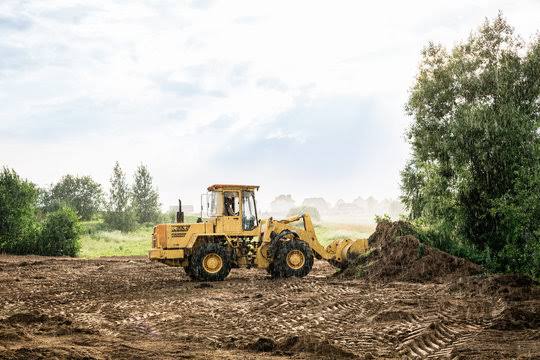
If you're planning new construction on a wooded or overgrown lot anywhere in the DFW Metroplex, land clearing is almost always the very first step — and how well it's done sets the stage for everything that follows, from excavation to the final foundation pour. Here's what the process actually looks like and what to expect.
Before a single trench is dug or a foundation is poured, the land needs to be cleared of trees, underbrush, and other vegetation that would otherwise interfere with excavation, grading, and construction equipment. Skipping proper land clearing — or doing it incompletely — can cause delays and complications once heavier construction work begins.
A thorough land clearing project starts with an assessment of the property: what needs to be removed, how dense the vegetation is, what debris disposal method makes sense (hauling vs. on-site burning, where permitted), and whether any trees should be preserved.
This is the core of the land clearing process — removing trees and underbrush from the area that will be built on. For construction projects, this typically needs to be more thorough than land clearing done for pasture or aesthetic purposes, since the area needs to be fully open for excavation equipment.
Trees can't just be cut down for construction prep — stumps and root systems need to be removed or ground down as well, since leftover roots can interfere with excavation, grading, and foundation stability.
Once vegetation is cleared, debris needs to be hauled away or, where local regulations allow, burned on-site. For construction sites, hauling is often the more practical choice since the site needs to be fully clear and level for the next phase.
Once land clearing is complete, the site is ready for excavation and grading — the next phase that shapes the land for the actual foundation, utility trenching, and construction work ahead.
Property owners are often surprised by how much land clearing timelines can affect the overall construction schedule. A heavily wooded lot takes longer to clear than a lightly overgrown one, and factoring this into your project timeline early — rather than as an afterthought — helps avoid delays once your builder or general contractor is ready to start.
North Texas properties often include a mix of native trees, dense underbrush, and clay-heavy soil, all of which affect how land clearing is approached. An experienced local land clearing team will know how to work efficiently with these conditions and coordinate the handoff to excavation and grading without unnecessary delays.
If you're planning new construction anywhere in the DFW Metroplex, the best first step is a site visit to assess the land, discuss your timeline, and get a clear plan for how land clearing fits into your overall project.

Planning to build on your property? Get your free land clearing quote here.


.svg)
.svg)