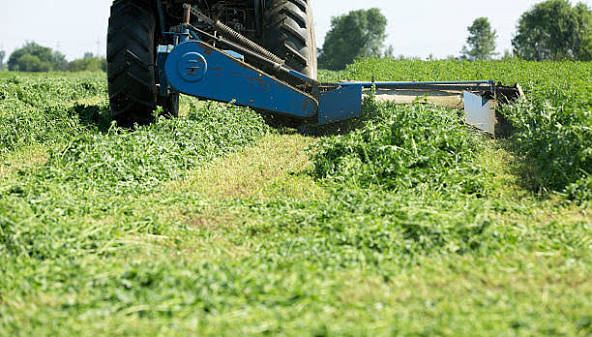
If you own acreage, pasture, or a large lot in the DFW area, you've probably wondered how often brush hogging actually needs to happen to keep your property in good shape. The answer depends on a few factors — but there are some solid general guidelines that apply to most North Texas properties.
1. How the Land Is Used
Pastures actively grazed by livestock generally need less frequent brush hogging than land that's sitting unused, since grazing naturally keeps growth in check. Vacant lots, unused fields, and property being held for future development tend to need more regular mowing to prevent overgrowth.
2. Time of Year
Texas growing seasons drive brush hogging frequency more than almost anything else. Spring and early summer bring rapid growth thanks to rain and warm temperatures, often requiring more frequent mowing. Growth slows significantly in late fall and winter, stretching out the time between brush hogging visits.
3. Property Goals
If you're maintaining land for fire safety, aesthetics, or resale readiness, more frequent brush hogging keeps things looking maintained year-round. If the goal is simply keeping brush from turning into a bigger problem, less frequent but consistent mowing may be enough.
Letting a property go too long between brush hogging visits doesn't just look unkempt — it creates real problems. Overgrown brush and tall grass increase fire risk during Texas's dry summer months, provide habitat for pests and snakes, and make it harder (and more expensive) to bring the land back under control once it's gotten fully out of hand. Regular brush hogging is almost always more cost-effective than letting growth build up and needing a heavier clearing job later.
A property that's brush hogged consistently stays easy to maintain — each visit is knocking down growth that's had a few months to develop. A property that's neglected for a year or more often needs more time, more passes, and sometimes heavier equipment to get back under control, which can cost more than staying ahead of it would have.
The right frequency really comes down to your specific property, its use, and your goals. A property owner maintaining pasture for livestock has different needs than someone managing a vacant lot for fire safety, and a good brush hogging service can help you figure out a schedule that keeps your land in shape without over- or under-mowing.
If your DFW property has grown out of control, or you're just not sure how often it needs to be maintained, a quick assessment can help you figure out the right schedule going forward.

Ready to get your property under control? Request a free brush hogging quote here.


.svg)
.svg)