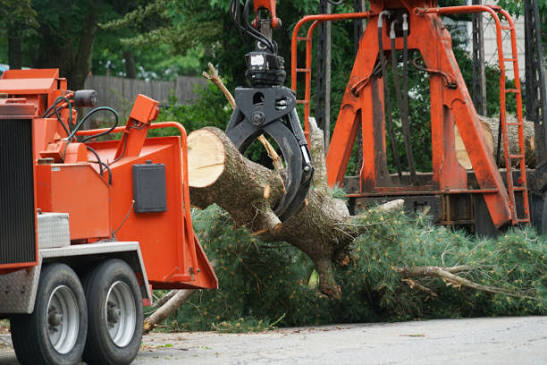
"How much does it cost to remove a tree?" is one of the most common questions homeowners across the DFW Metroplex search before calling a tree removal service. Like most land services, tree removal pricing depends on several variables — and understanding them helps you know what to expect and avoid surprises.
1. Tree Size and Height
Larger, taller trees take more time, more equipment, and more careful planning to remove safely, which increases cost. A small ornamental tree is a very different job from a mature oak.
2. Tree Location
A tree standing in an open yard with plenty of clearance is generally more straightforward (and less expensive) to remove than one close to a house, power lines, fencing, or other structures, which often requires climbing and sectional removal instead of a straight felling.
3. Tree Condition
A healthy tree being removed for landscaping reasons is a different job than a dead, diseased, or storm-damaged tree, which may involve additional care due to weakened or unpredictable structural integrity.
4. Removal Method: Felling vs. Climbing
Felling — cutting a tree down in one direction — is typically faster and more cost-effective when there's enough open space. Climbing, where the tree is removed in sections from the top down, takes more time and skill, which affects pricing, but is necessary when a tree is too close to structures for a straight fall.
5. Stump Removal
Removing the tree itself is only part of the job. Stump grinding is usually priced separately and depends on the diameter of the stump and root system.
6. Debris Hauling
Once a tree is down, the wood and debris need to be removed. Larger trees generate significantly more debris, which factors into total cost.
7. Number of Trees
Removing multiple trees in a single visit is often more cost-effective per tree than scheduling separate visits, since equipment and setup costs are shared across the job.
Storm-damaged or hazardous trees that need to come down quickly — especially those threatening a structure, fence, or power line — often come with different scheduling and pricing considerations than planned, non-urgent removals. If a tree is actively at risk of falling, it's worth flagging that urgency when requesting a quote.
Because tree removal pricing depends so heavily on size, location, condition, and removal method, the most accurate way to know your cost is a professional site visit. An experienced tree removal team can assess the tree, recommend the safest removal approach, and give you a clear quote — including stump grinding and debris hauling — before any work begins.
It can be tempting to try to save money by removing a smaller tree yourself, but tree removal carries real risk of property damage and injury, even for trees that don't look especially large. Professional removal accounts for the direction of fall, nearby structures, and the safest method for the specific tree — expertise that's difficult to replicate without the right training and equipment.
If you've got a tree that needs to come down anywhere in the DFW Metroplex, the best way to get an accurate cost is a free, on-site assessment tailored to your specific tree and property.

Have a tree that needs to come down? Request your free tree removal quote here.


